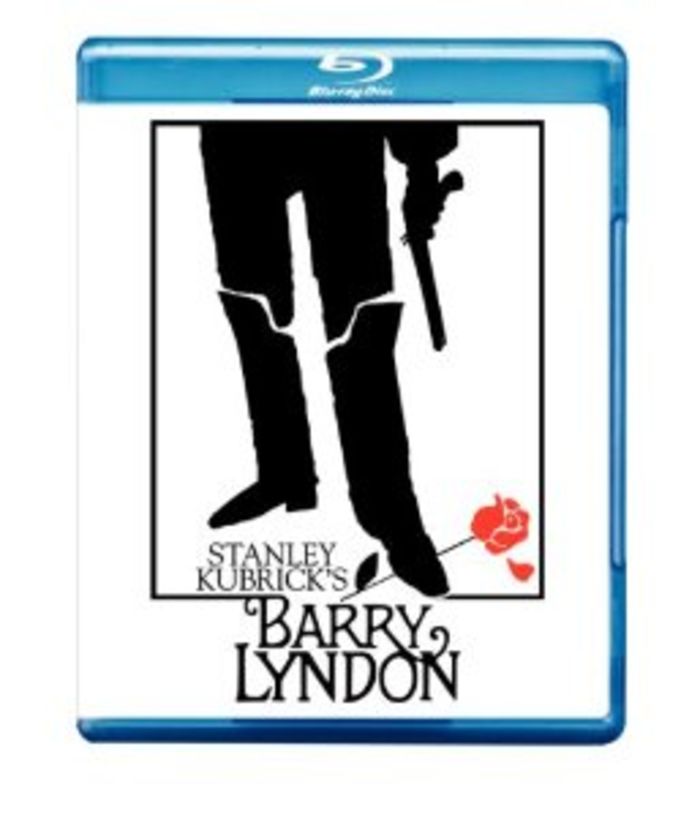
How does an Irish lad without prospects become part of 18th-century English nobility? For Barry Lyndon (Ryan O’Neal) the answer is: any way he can! His climb to wealth and privilege is the enthralling focus of this sumptuous Stanley Kubrick version of William Makepeace Thackeray’s novel. For this ravishing, slyly satiric winner of 4 Academy Awards, Kubrick found inspiration in the works of the era’s painters. Costumes and sets were crafted in the era’s designs and pioneering lenses were developed to shoot interiors and exteriors in natural light. The result is a cutting-edge movie bringing a historical period to vivid screen life like no other film before or since.
Set between the 1750s and 1789.
The events in “Barry Lyndon” could furnish a swashbuckling romance. He falls into a foolish adolescent love, has to leave his home suddenly after a duel, enlists almost accidentally in the British army, fights in Europe, deserts from not one but two armies, falls in with unscrupulous companions, marries a woman of wealth and beauty, and then destroys himself because he lacks the character to survive. But Kubrick examines Barry’s life with microscopic clarity. This must be one of the most beautiful films ever made, and yet the beauty isn’t in the service of emotion. – Roger Ebert
Alcott would win an Oscar for his amazing work, as would Ken Adam and Roy Walker for their scrupulously researched art direction, the often outlandish but totally convincing costumes of Milena Canonero, and Leonard Rosenman for his arrangements of Schubert and Handel, whose addictively funereal Sarabande in D Minor stomps ominously in the background of the various duels, like a march to the gallows. – Telegraph
Starring Ryan O’Neal, Marisa Berenson, Patrick Magee, Hardy Krüger, Steven Berkoff.
Rated PG.